

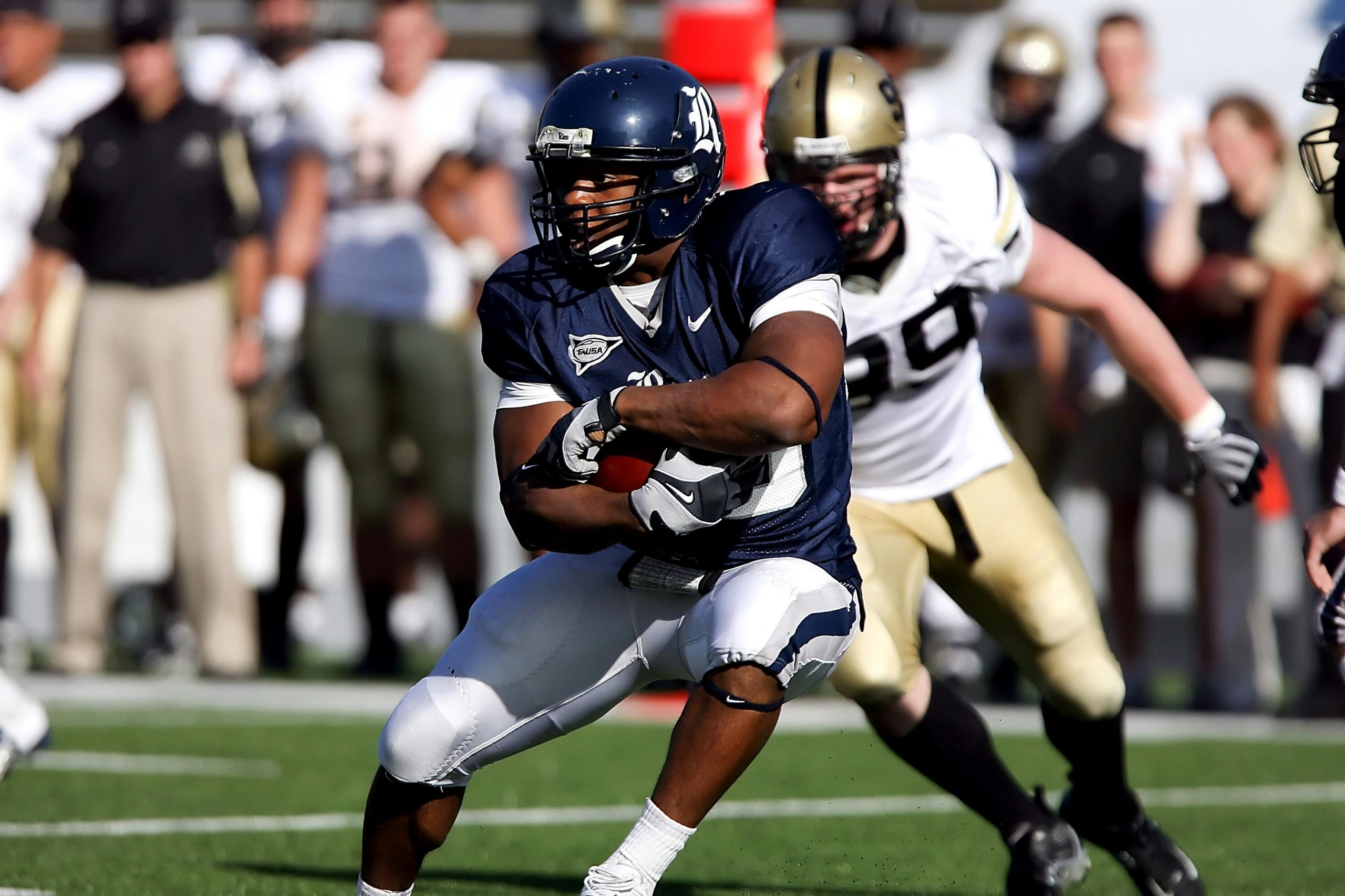

Every professional game involves a little over 150 snaps, and officiating departments grade every one of those plays after the final whistle. Each grade depends on where the ball sits in relation to painted yard lines and hash marks, which means those stripes matter far more than most fans realize. That’s one reason many programs are looking at modern tools such as a gps line marking machine to keep those reference lines accurate and consistent from week to week.
On the screen, the stakes are just as real. In a recent Dolby Vision study of live sports, about 78% of viewers said HDR broadcasts felt more immersive than regular 4K, and they tended to watch those games roughly 22% longer. Higher contrast also made it easier for them to follow fine details, like where the ball and players were in relation to the markings on the field.
Those two facts alone tell you something important: better lines help both refs and fans make sense of what’s happening. And when you add in formal rules about how fields must be lined and what technology can do to support crews, you start to see a very practical way to improve the spring football experience.
Research on decision‑making in American football also backs that up. In a controlled experiment with pass‑interference situations, trained college officials called significantly fewer borderline penalties than players and non‑experts, showing how experience plus clear visual cues help them avoid overreacting to ambiguous contact. When those cues are well painted and consistently placed, you’re giving already well‑trained officials the best possible environment to work in.
The Hidden Star of Every Snap
If you strip the game down to its structure, an American football field is really a grid built for decisions. Professional rulebooks state that yard lines must be marked at 5‑yard intervals across the field, that shorter 1‑yard stripes sit just inside the sidelines, and that inbounds lines (hash marks) run at precise distances from each sideline and intersect every yard line. College rulebooks add their own diagram, and both codes insist that yard lines, goal lines, and sidelines must remain fully visible and not be covered by logos or decorative paint.
That grid gives officials a shared language. Guidance on officiating mechanics notes that when the yard lines and hash marks are clearly visible and accurately placed, crews can often determine whether a team has earned a first down without even bringing out the chains, because the ball’s relationship to the lines is obvious. Less time spent on measurements means more continuous play, which you feel as a smoother, more watchable game from the stands or the couch.
The decision‑making research adds another layer. In that pass‑interference study, officials’ training helped them be more selective about calling contact in marginal situations compared with players and fans looking at the same images. That kind of expertise relies heavily on positional reference points like hash marks, sideline stripes, and yard numbers, so any improvement in line clarity supports the judgment they’re already bringing to the job.
For you as a viewer, the benefit is simple: when every stripe is in the right place and easy to see, it’s much clearer why the ball is spotted where it is, why a first down is (or isn’t) given, and why a flag for interference or illegal contact might make sense even at full speed.
When Cameras See Everything
Now layer modern broadcasting on top of that grid. Sports‑production firms report that 1080p, 4K, and HDR formats have moved into the mainstream for live events, especially in premium football coverage. The same Dolby Vision study that measured viewing time also found that over four in five fans said the improved contrast and color helped them track rapid action more effectively, which naturally highlights the painted lines that define each play.
Replay has evolved too. Recent rule adjustments at the highest levels have expanded automatic review on key downs and at the end of halves, with a centralized replay center supporting on‑field crews through multiple camera angles instead of just one or two looks. A 2025 analysis of replay outcomes noted a meaningful rise in the success rate of coaches’ challenges, linked to better video quality and more angles that clarify where the ball is relative to yard lines, pylons and sidelines.
On top of that, broadcasts overlay virtual graphics like the familiar first‑down stripe, which engineers align with the physical yard markers on the field. If the real lines are faded, crooked, or misaligned, the digital line may appear to “float” away from the paint, and that disconnect can quietly undermine your confidence in what you’re seeing.
It helps to think of yard lines as the original broadcast graphic, painted directly on the turf. When those lines are bright and consistent, every replay, zoom‑in, and slow‑motion frame gives you a cleaner view of where the play ended, whether a toe brushed the sideline, or if the nose of the ball reached the marker. That clarity doesn’t solve every debate, but it does mean more arguments are about judgment and rules, not about whether people can even see the line.
From Chalk Dust to GPS Trust
All of this puts a lot of pressure on the people who actually paint the grid. Traditional layout methods can take an entire day or more for a single football field, because crews have to measure, string, and mark hundreds of individual lines and hash marks by hand. Industry field‑painting reports estimate that a full American‑football layout with roughly 400 hash marks can easily consume around 20 staff hours when done manually.
GPS‑guided line‑marking robots aim to change that workload in a very practical way. Technical documentation from one leading provider shows that with real‑time kinematic GPS, these machines can place lines to within about 0.8 inches of the intended coordinates, which is more accurate than many manual setups. The same source indicates that once the field layout is mapped, a robot can repaint that entire grid in roughly 2.5 hours and cut paint usage by about 50–60% through consistent line width and no overlapping passes.
That’s why a major national high-school sports organization recently named a robotic line‑painting company as its exclusive partner, explicitly citing maintenance staff shortages and the need for consistent markings across thousands of fields. For athletic directors and parks departments trying to juggle spring football, soccer, and other events on the same surface, those time and material savings make it much more realistic to keep yard lines fresh and high‑contrast all season.
For refs, fans and field crews, the benefits stack up quickly: Officials get straighter, more reliable reference lines for ball spots and sideline calls, fans at home see clearer stripes that hold up in HD and HDR, and field managers gain a faster, more repeatable way to meet strict rulebook diagrams without burning out small maintenance teams.
Facility‑management guidance also points out that sharp lines help athletes gauge distance, stay in bounds, and understand where they are in the red zone or near the sticks, which can reduce disputes and add a subtle sense of order to the game. It’s easy to overlook that effect until you watch a contest on a faded or poorly marked field and notice how many more “where was that spot?” conversations suddenly pop up.
The Lines That Earn Our Trust
When you pull everything together, crisp yard lines and hash marks support three groups at once: officials trying to apply complex rules in real time, broadcasters aiming for clear and engaging coverage, and field crews working under real‑world time and budget limits. Better markings don’t remove human judgment from the sport, but they do give everyone a clearer common reference when those big calls come under scrutiny.
The recent growth of GPS‑based field marking in high‑school sports hints that what once felt like a big‑league luxury is becoming normal even on community fields. As more venues adopt accurate, efficient marking methods, you’ll likely see fewer patchy lines on spring Saturdays and more fields that look “TV ready” from the opening scrimmage to the last playoff down.
Next time you settle in for a game, it’s worth taking a second to notice how clean the yard lines look before the opening kick, because they’ll shape every snap, replay, and sideline debate you’re about to have. If a few hours of smarter field prep can make the sport clearer and fairer for everyone involved, why wouldn’t we start expecting that standard on every field where football is played?