

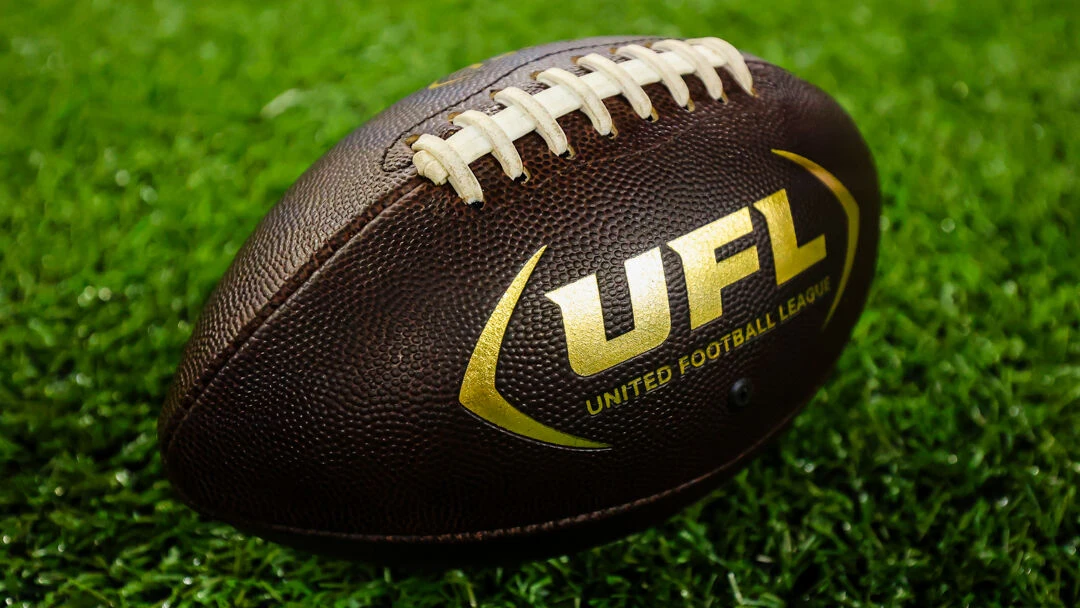

What if the next big shift in American football betting isn’t about star quarterbacks, Super Bowl commercials, or halftime shows, but about a newer league quietly reshaping the playing field?
That’s not a wild hypothetical. That’s the United Football League (UFL). A merger of alt-football energy and leaner operations, the UFL isn’t here to replace the NFL. It’s offering something different: more unpredictable outcomes, rawer performances, and in many ways, tighter betting angles that appeal to bettors already knee-deep in spreads, props, and line movement.
For those who already live and breathe football markets, there’s a growing sense that the UFL offers sharper opportunities. Not just because it’s fresh, but because the market isn’t nearly as saturated. Smaller leagues often yield inefficiencies. In the UFL, those inefficiencies are starting to show, and smart bettors are noticing.
Less Noise, More Value
In the NFL, everything is overanalyzed. Public sentiment, media narratives, and line movements react fast (sometimes too fast). A single tweet can move a spread. That kind of noise can suffocate the edge.
In the UFL, however, fewer people are betting. And when fewer people are betting, the lines don’t move with the same velocity. This creates what seasoned bettors call “soft spots.” Oddsmakers still set lines, but there’s less sharp money hitting them early, and less reactive volatility overall.
It’s a market dynamic seen in other sports as well: when the public isn’t dominating the betting conversation, sharper bets quietly cash in.
The Importance of Knowing Where to Bet
But spotting value in UFL lines is only half of the equation. Execution matters just as much as analysis. That’s where online betting platforms make or break the bettor experience. Especially in states where legislation allows it, knowing where to bet in Alabama, for instance, can drastically affect the odds, access, speed of withdrawals, and overall UX.
A high-quality sportsbook isn’t about flashy design. It’s about tight integration with real-time data, clarity in terms and conditions, and minimal lag during peak demand. For UFL games, which tend to fly under the radar compared to prime-time NFL matchups, that reliability is key.
If someone’s looking to bet on sports in New Jersey, they are likely seeking functional, legitimate options and a streamlined experience, not gimmicks. And that mindset transfers well into UFL betting: lean, efficient, less hype, more signal.
Why Less Predictability is Good News
The NFL is a known quantity. Star power, decades of analytics, and deep historical data leave little room for genuine surprises. That’s good for fans. But for bettors looking for upside, it’s less appealing.
The UFL offers something closer to the early days of fantasy football: unpredictable player performance, rapidly shifting team chemistry, and coaching decisions that haven’t been mapped out by an army of analysts yet.
In short, variance.
Variance is dangerous if you don’t know how to handle it. But if you’ve built your strategy around finding the edge in volatility (if you know how to fade consensus and spot mispriced matchups) it’s a goldmine. NFL bettors often complain that the lines are “too sharp.” With the UFL, that sharpness is still developing.
Fewer Narratives, Clearer Odds
With the NFL, storylines move the betting needle. A quarterback’s divorce can affect MVP odds. A viral clip from practice can impact public bets. The media ecosystem is so tightly wound around the NFL that it often distracts from the fundamentals of line movement and matchup analytics.
The UFL doesn’t have that problem.
There’s less fluff. Which means odds aren’t as distorted by drama. Bettors with a firm grip on fundamentals, things like offensive line metrics, defensive coverage efficiency, or coaching tendencies, can work with cleaner signals.
This isn’t about it being “easier.” It’s about there being less artificial noise.
Two Reasons Bettors Are Quietly Moving to UFL
Lower Barrier to Entry: With less competition from large-scale syndicates and fewer public bets moving the lines, it’s easier for experienced bettors to find value in niche markets.
Quicker Line Adjustments: Because UFL isn’t a priority for every oddsmaker, there’s more lag between real-world changes and updated odds. Those few minutes can be the difference between a good bet and a great one.
Room for Creativity
One underrated reason bettors enjoy the UFL: creativity.
In NFL betting, most props are templated. Everyone bets the same passing yard props, touchdown markets, and alternate spreads. In UFL, props vary more. Books experiment. You’ll see unique markets pop up — things like total team punts, two-point conversions made, or first drive turnover props.
This lets experienced bettors try new models, test new systems, and deploy strategies that would be too risky or inefficient in the NFL’s sharpest markets.
Why It’s Not Just a Fad
Some assume UFL betting will fade the way other spring football leagues have in the past. Maybe. But from a bettor’s perspective, that’s not the point. The point is that while it’s here, it offers angles. Fresh angles. And those are rare in mature markets.
Betting isn’t just about the event itself. It’s about the structure around it. How odds are set. How they move. How bettors respond. And right now, UFL offers just enough structure to feel legitimate, and just enough looseness to feel exploitable.
Smart bettors aren’t ignoring that. They’re leaning in.
And for those still wondering where to bet in Alabama or which sportsbook to trust for niche leagues, the answer starts with platform reliability. Because all the edge in the world won’t matter if the site crashes, the payout delays, or the odds shift mid-click.
So while NFL season commands the spotlight, there’s a smaller, sharper story unfolding across spring turf, and bettors tuned into the UFL are already writing the next chapter.